Our expertise
Accountants for Creative Agencies in York
There’s a lot going on in the finances of a creative business that won’t necessarily show up in the annual accounts. Take project income for example, work is often invoiced only when a job completes even though the earned value builds well before that point, so a business can look flush one quarter and short the next. Then there’s the equipment and software spend, cameras, computers, editing suites and specialist tools, which is heavy and lumpy rather than steady. Multiple income streams, a shoot fee here, a licensing payment there, a royalty statement landing separately, need organising rather than lumping together.
We work with designers, branding studios, photographers, filmmakers, animators, illustrators, musicians, game developers, writers, content creators and PR agencies across York, Yorkshire and the UK. From sole-practitioner freelancers running client briefs on their own to game studios and agencies of fifteen or more running multiple projects, a payroll and a licensing income stream side by side. We understand how the accounts need to work when income is lumpy, when IP generates ongoing returns, and when the business structure question has more than one right answer depending on where you’re headed, and that lets us keep your year-end accurate without you having to translate the creative side of the business for us.

In a nutshell: we’ll handle your annual accounts and tax, and the parts of creative-industry accounting that generalists tend to miss: work in progress at year-end, capital allowances on equipment and software, the royalties and IP questions, freelance workforce costs, and the structure conversation when the time comes. Fixed fee, agreed upfront. Plain English at every step.
Why creative businesses need a specialist accountant
A generalist accountant can handle the compliance. The places they fall short for creative businesses tend to be the same ones, year after year.
Project-based and irregular income needs careful handling. Whether you work on client briefs, commissions or licensed projects, fees that have been earned but not yet invoiced by your year-end count as income in the period they relate to. A design project that’s 80% complete on 31 March has generated income, even if the final invoice goes out in April. Getting this right keeps your year-end picture accurate and stops you paying tax on the wrong year’s income. We look at each project at year-end and recognise income at the right point.
Multiple income streams need organising, not just recording. Many creative businesses earn in more than one way: a photographer might have shoot fees, print licensing income and teaching income all running alongside each other. A musician might have performance income, recording fees, sync licensing and royalties. A game developer might have direct sales, in-app revenue and a licensing deal. Each income type has its own tax treatment, and lumping them together gives you a distorted picture of the business. We keep each stream separated and taxed correctly.
Capital allowances on equipment and software are often under-claimed. Cameras, computers, lenses, recording equipment, editing suites, animation software, game engines, specialist tools: creative businesses spend heavily on the kit the work depends on. The Annual Investment Allowance lets you write most of this down against tax in the year you buy it, provided the spending is categorised and claimed correctly. We track your equipment spending as part of the accounts and apply the allowance properly.
R&D tax credits are worth assessing each year. HMRC’s R&D relief applies to genuine technical innovation, not to creative work for its own sake. But some creative businesses do work that qualifies: custom game engine development, proprietary animation pipelines, novel technical approaches to production, tools built in-house that required solving a problem that couldn’t have been resolved by looking up existing knowledge. It applies to a higher proportion of game studios and technical creative businesses than most people realise. We assess the question each year rather than assuming the answer.
Freelance workforce costs need handling accurately. Many creative businesses run a small core team and bring in specialists, editors, animators, session musicians, colourists, developers, for specific projects. Those costs need recording correctly, and the engagement terms need to be structured properly from the start. We’ll set the engagement terms up correctly from the outset, so the costs are recorded properly and the relationship holds up under scrutiny.
Here’s how we help
The services creative businesses call on most, each with the full detail on its own page:
- Company Accounts for limited-company creative businesses
- Sole Trader Accounts for freelancers and sole practitioners
- Bookkeeping to keep your records accurate and current
- VAT returns and registration
- Payroll for businesses with staff
- Tax Planning including R&D assessments, IP structure and capital allowances
- Personal Tax Return for sole practitioners, directors and anyone with multiple income sources
- Management Accounts for businesses that want a regular view of where the income is and where the costs are going
This page talks about why having a specialist is important. The individual service pages show how each bit of the work gets done.
How we work with creative businesses
Every creative business takes a different mix of services. A sole-practitioner illustrator with a few regular clients needs different support to a game studio of fifteen running multiple projects, a payroll and a licensing income stream. We’ll tailor what we handle for you to where your business is now, and adjust as it grows.
Staying in regular contact through the year keeps things moving. Whatever services we’re handling, you’ll have a specialist team on hand when something specific comes up: a question about whether new equipment qualifies for the Annual Investment Allowance, a licensing deal you haven’t encountered before, or a royalty income question that needs working through before year-end. If HMRC writes to you about anything, forward it on and we’ll either explain it or tell you to ignore it.
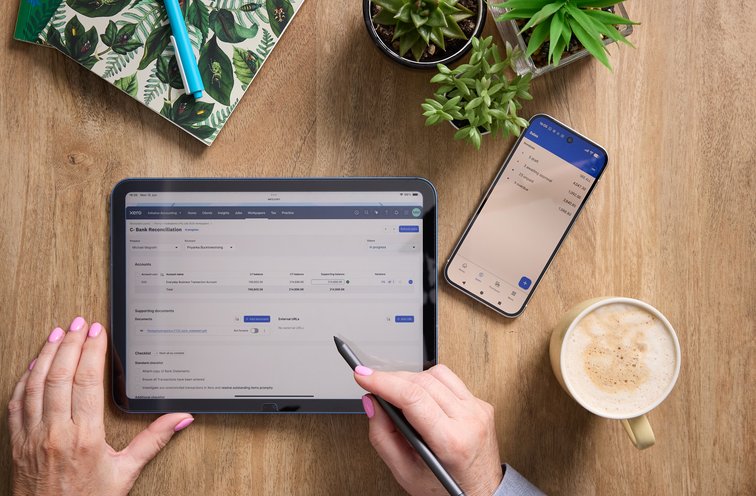
Records come through ShareFile, and we work with Xero, FreeAgent and Dext for clients on cloud bookkeeping. Keeping your books current through the year makes the work in progress conversation at year-end far more straightforward.
Year-end is where we get most thorough. For creative businesses, that means reviewing work in progress across live projects, making sure capital allowances are claimed in the right year, checking how IP and royalties have been structured, and asking the R&D question with fresh eyes. We’ll walk through the year, plan the next one, and make sure the accounts reflect what actually happened.
If you’re already working with another accountant, moving over is more straightforward than most people expect, and our guide on how to change accountants walks you through it.
Frequently asked questions
If you’ve done work that you haven’t yet invoiced by your year-end date, that work has generated income and it should be recognised in the period it relates to. The practical effect is that your year-end accounts include an assessment of where each project stands: what’s been completed, what’s been invoiced, and what’s been earned but not yet billed. Get this wrong and your profit looks artificially lower than it should, or you end up paying tax on income you haven’t collected yet. We look at each project at year-end and recognise income at the right point.
Yes. Most equipment and software used in your creative business can be claimed through the Annual Investment Allowance, which lets you deduct the full cost of qualifying capital items in the year you buy them, up to the current limit. Cameras, computers, instruments, recording equipment, specialist software, game development tools, the claim needs to go into the right tax year and be categorised correctly. We track your equipment spending as part of the accounts and apply the allowance properly.
The tax treatment depends on the type of income, how the IP is held, personally or by the business, and whether you’re trading as a sole trader or through a limited company. Royalties received by a sole trader are taxed as income. Royalties received by a limited company are taxed as company profits. If you hold IP personally and license it to your own company, the treatment changes again. The structure question matters and is worth reviewing before a significant licensing deal is signed, not after. We work through these questions as part of the accounts or tax planning work.
R&D tax relief applies to genuine technical innovation, not to creative work for its own sake. A creative business qualifies if it’s doing something technically novel: building a custom game engine, developing a proprietary animation pipeline, creating tools that required solving a technical problem that couldn’t have been resolved by looking up existing knowledge. It’s relevant to a higher proportion of game studios and technical creative businesses than to design or photography work. We assess the question each year so you’re not leaving a valid claim unasked.
The right structure depends on your income, how you want to take money out of the business, how your IP is held, and where the business is going. Sole trader is simpler. Limited company gives you tax flexibility, personal liability protection and more options for holding IP, with more compliance to manage. The financial case for incorporating strengthens as profits grow. We run the numbers for your specific situation before you commit either way.
Freelancers who work for your business on specific projects are treated as subcontractors: their invoices are a cost of sales, and you pay them without deducting tax, provided they’re genuinely self-employed. The key distinction is between a freelancer who’s genuinely self-employed and one who’s effectively working as an employee in all but name. We look at the engagement terms as part of the accounts setup so the costs are recorded correctly and the relationship is structured properly from the start.
We work with creative businesses across Yorkshire and the UK. The first conversation is about your business: what you do, how you work, and what you’d like an accountant to take off your plate.
Why clients stay with us
We’ve been working with creative businesses across Yorkshire since Stacey McVeighty FCCA started the practice in 2014. Today we look after around 800 clients from our York office. We’re ACCA-accredited, and we hold {{REVIEWS}} five-star reviews on Google, rated 5.0, most from clients who’ve been with us for years.
Fixed fees. Plain English. The same team next year, and the year after that.
Ready to find an accountant who understands creative businesses?
Three ways to start. Whichever’s easiest.
You may also like...

Cloud Accounting Software
FreeAgent or Xero plus Dext - setup to support you and your business
Read More