Our expertise
Event Technicians Accountants in York
There’s a lot going on in the finances of a freelance live event technician that won’t necessarily show up in the annual accounts. Take irregular income for example: a run of busy touring weeks followed by a quiet stretch makes a Self Assessment estimate based on the last few months unreliable in either direction. Then there’s equipment, lighting desks, audio consoles, cables and cases are all business assets, and most of it qualifies for an allowance that writes the full cost down against tax in the year you buy it. Travel and subsistence work differently too: someone who moves between venues and productions is treated differently by HMRC to someone commuting to a fixed workplace. And many careers mix employed contracts with freelance work on the same tax return, which needs handling correctly so nothing falls between the two.
We look after freelance live event technicians working in theatre, live music, film, TV, corporate events and festivals across York, Yorkshire and the UK: lighting technicians, sound engineers, AV technicians, riggers, stage managers and production managers. We understand the seasonal shape of the work, the equipment costs that come with it, and the travel rules that apply to people who are genuinely itinerant rather than commuting to a fixed base, and that lets us build your tax position around how the work actually flows.
A good number of the technicians we work with come to us right at a turning point: leaving a full-time employed role, or moving from ad hoc freelance work into running things properly as a business for the first time. Getting the structure right from day one, and getting onto the right software from the start, makes the years that follow considerably more straightforward, and it’s where we spend real time with new clients before any figures get filed.

In a nutshell: we’ll handle your annual accounts and tax, help you decide whether to start, or move, as a sole trader or a limited company, and get you set up on the right software from day one. We handle the things that catch this sector out: capital allowances on equipment, travel and subsistence claimed on the right basis, irregular income managed so the tax estimate is reliable, and Making Tax Digital handled correctly as your income grows. For limited companies, that includes regular management accounts and proper planning around director pay. Fixed fee, agreed upfront. Plain English at every step.
Why live event technicians need a specialist accountant
A generalist accountant can file a tax return. Where live event technicians catch them out is in the combination of itinerant working patterns, significant equipment spending, and income irregularity that makes cashflow harder to read than it looks.
Deciding between sole trader and limited company is a bigger decision than it looks, and it’s usually the first thing to get right. Most technicians we work with start out, or come to us, as sole traders, and for many that’s the right call at the outset: simpler filing, lower cost, no extra compliance layer while earnings are building up. As earnings grow, or with a run of higher-value production work, a limited company can become materially more efficient once corporation tax and the balance of salary and dividends are worked through properly. We run the actual numbers for your situation before recommending either way, rather than defaulting to one answer for everyone.
Irregular, seasonal income creates a cashflow picture that needs managing. The live events calendar creates feast-and-famine income: a run of busy weeks, then a quiet stretch. This is normal for the sector and not a sign anything has gone wrong, but it means a Self Assessment estimate based on a few good months can be unreliable, and an estimate based on a quiet period can leave you underprepared. Good bookkeeping keeps the annual picture clear so the tax liability is calculated on what you actually earned, not on what the last quarter looked like.
Equipment qualifies for capital allowances, and these should always be claimed. Lighting desks, audio consoles, microphones, cables, cases, laptops and specialist tools are legitimate business assets. Under the Annual Investment Allowance, most of this equipment can be written down fully against tax in the year of purchase rather than spread across several years. For technicians who invest regularly in kit, this is a meaningful annual saving. We track equipment spending alongside your other accounts and apply the allowance correctly.
Travel and subsistence: the itinerant worker rules apply here, and they’re different. For most workers, travel from home to a regular workplace isn’t an allowable expense. But live event technicians don’t have a regular workplace in the usual sense, the work moves around. HMRC distinguishes between workers who have a fixed base and workers who are genuinely itinerant, and the rules on what can be claimed for travel and accommodation are more generous for the itinerant worker. Getting this right means claiming everything you’re entitled to, without claiming anything you’re not. The distinction matters and we apply it correctly.
Most technicians have a mix of employed and self-employed work on the same return. Steady employed contracts, in-house theatre roles, employed crew positions on a film or TV production, sit alongside freelance work in many careers. Both income streams feed one Self Assessment return and both need handling accurately. The P60 from employed work needs to be reconciled with the self-employed bookkeeping, and any allowances applied across the full picture. We handle both sides and make sure nothing falls between them.
Making Tax Digital for Income Tax is now in effect for higher-earning freelance technicians. If your qualifying income (self-employment plus any other sources such as rental income) is above £50,000, you’ll already be filing quarterly digital updates with HMRC instead of one annual Self Assessment, a change that took effect from April 2026. The threshold drops to £30,000 from April 2027, so more technicians will be brought into scope as touring and studio work builds up their earnings. We handle the setup and the submissions for clients who are in scope.
Here’s how we help
The services freelance technicians and small production companies call on most, each with the full detail on its own page:
- Sole Trader Accounts for technicians working as self-employed
- Company Accounts for technicians and production companies trading as a limited company
- Personal Tax Return covering all income including any employed earnings alongside freelance work
- Bookkeeping to keep your digital records accurate through the year and across an irregular income pattern
- Cloud Accounting & Making Tax Digital for technicians moving to MTD for Income Tax
- Management Accounts for limited companies wanting a monthly or quarterly view of the numbers
- Payroll for production companies with employed staff or crew
- Tax Planning including capital allowances on equipment, structure planning and dividend timing
This page talks about why having a specialist is important. The individual service pages show how each bit of the work gets done.
How we work with live event technicians
No two technicians need the same package. Some are sole traders with a single income stream and a straightforward Self Assessment; others run a limited company with a small crew on payroll and want monthly management accounts. We tailor what we handle to where you are, and we’re often involved earliest at the point a technician decides to set up on their own or make the jump from employed to self-employed work, when getting the structure and the software right from the start matters most.
We see enough new live event technician businesses that we’ve a good sense of the software setup that works well for this sector, and for most clients that’s FreeAgent. We get you set up correctly from the outset (bank feeds connected, categories that match how the work actually happens, invoicing ready to go) so your record-keeping is right from your very first invoice rather than something to untangle a year in.
Staying in regular contact through the year keeps things current. Whether it’s a question about whether a new piece of kit qualifies for capital allowances, a query about a per diem arrangement on a long touring run, or confirming your position when a production offers you an unusual payment structure, get in touch and we’ll work through it. If HMRC writes to you about anything, forward it on and we’ll either explain it or tell you to ignore it.
Records come through ShareFile, and for cloud bookkeeping we most commonly use FreeAgent for this sector, alongside Xero and Dext where that suits a particular client better. Keeping your books current through a busy touring season means the annual tax estimate is built on real figures rather than a guess made in a quiet month.
The pre year-end meeting is where the real planning conversation happens, and for our limited company clients it goes well beyond the business’s own figures. We talk through the timing of equipment or vehicle purchases and how they land against the Annual Investment Allowance, growth plans for the year ahead and what that means for cashflow, and dividend timing alongside your personal tax position, not just the company’s. For limited companies, we also produce management accounts monthly or quarterly through the year, so that conversation is based on an up to date picture rather than figures pieced together at the last minute. For sole traders, the same meeting covers equipment purchase timing and confirms where your income sits against the Making Tax Digital thresholds.
If you’re already working with another accountant, moving over is more straightforward than most people expect, and our guide on how to change accountants walks you through it.
Frequently asked questions
Yes, and you can write the full cost down against tax in the year you buy it, through the Annual Investment Allowance. The allowance covers most equipment a technician would buy, including consoles, cables, laptops, cases and specialist tools. We track your equipment spending and apply the allowance correctly so the tax saving lands in the right year.
The rules depend on whether HMRC treats you as having a fixed base or as genuinely itinerant. Most live event technicians who move between venues and productions qualify as itinerant workers, which means travel costs including accommodation and subsistence can be claimed more broadly than they can for someone commuting to a fixed workplace. We confirm your position and make sure the claims are made correctly.
Both income streams go on one Self Assessment return. Your employed income appears on a P60; your freelance income needs bookkeeping records behind it. We handle both and calculate the overall tax position across the combined picture, making sure any allowances and reliefs are applied correctly.
If your total qualifying income is above £50,000, yes, you’re already in scope. Making Tax Digital for Income Tax has required sole traders above that threshold to submit quarterly digital updates to HMRC instead of one annual Self Assessment since April 2026, and the threshold drops to £30,000 from April 2027. We assess your position and get the right software in place before you’re brought into scope, so the first quarter isn’t a scramble.
Most live event technicians start out, and are usually best served, as sole traders: it’s simpler to run and there’s no extra compliance layer while earnings are building up. A limited company tends to make sense once profits reach a level where the combination of Corporation Tax and an efficient salary and dividend split outperforms the sole trader position, which depends on your specific numbers rather than a rule of thumb. If you’re setting up for the first time, or thinking about switching structure, we work through the actual figures with you before recommending either way, and if a limited company is the right call, we get you set up correctly, including the software, from day one.
Yes. For clients trading through a limited company, we produce management accounts monthly or quarterly, whichever suits the size and pace of the business, so you have an up to date view of profit, cashflow and how the year is tracking rather than waiting for the year-end figures. These also feed directly into the pre year-end planning conversation around dividends, asset purchases and growth plans.
We work with live event technicians across Yorkshire and the UK. The first conversation is about how you work: your income mix, your equipment spend, your structure, and what you’d like an accountant to take off your plate.
Why clients stay with us
We’ve been working with freelancers, sole traders and small limited companies across Yorkshire since Stacey McVeighty FCCA started the practice in 2014. Today we look after around 800 clients from our York office. We’re ACCA-accredited, and we hold 38 five-star reviews on Google, rated 5.0, most from clients who’ve been with us for years.
Fixed fees. Plain English. The same team next year, and the year after that.
Ready to find an accountant who understands live event work?
Three ways to start. Whichever’s easiest.
You may also like...

Cloud Accounting Software
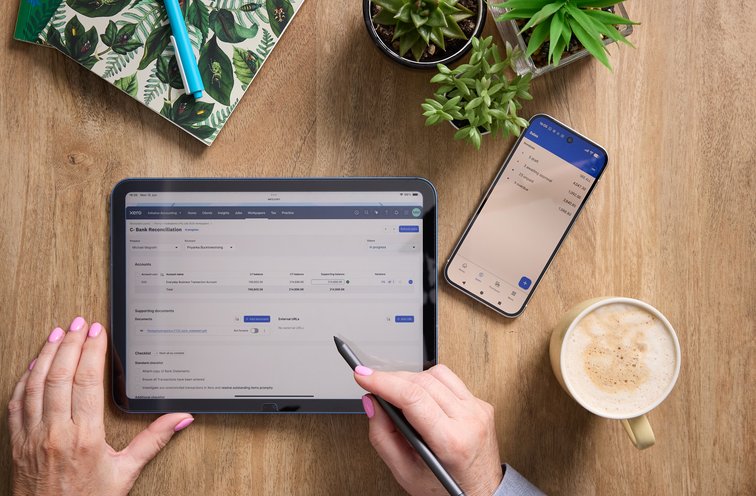
FreeAgent or Xero plus Dext - setup to support you and your business
Read More